

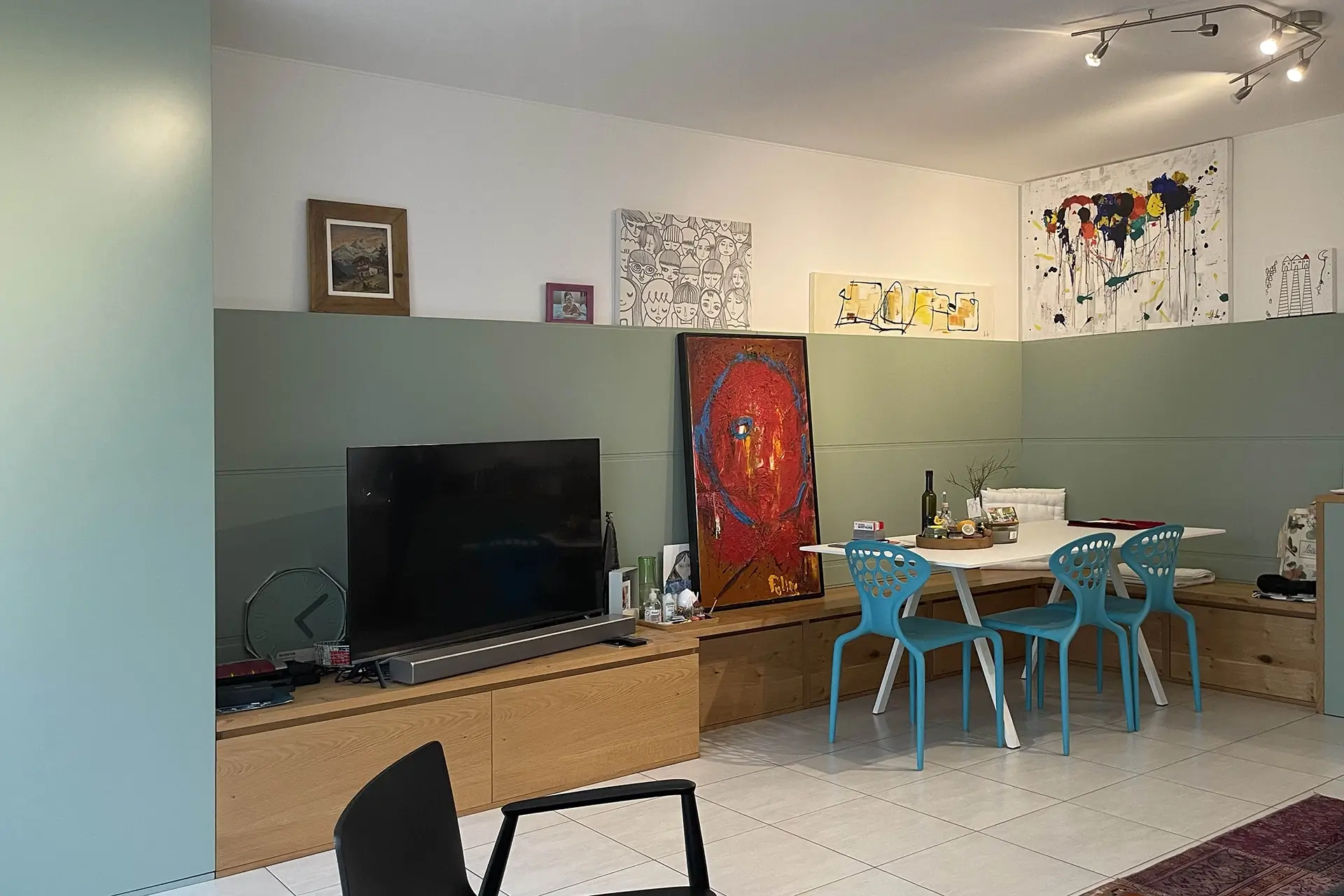
Living in Luxembourg often means making smart choices about space. But here’s the truth: compact doesn’t have to mean compromise. In these last ten year we transformed dozens of apartments into cosy, elegant homes that feel twice their actual size. Whether you’re downsizing, investing in a pied-à-terre, or simply prefer urban living, this guide will show you how intelligent design can make every room feel spacious and sophisticated.
The main issues when designing a small space include:
- Lack of storage for clothes, blankets, and other items.
- Insufficient countertop or surface areas.
- Cramped spaces that can feel suffocating.
- Limited space to host guests or multiple diners.
- No comfortable TV area for relaxing after meals.
- Absence of a pantry.
Why small space design deserves professional expertise
We often hear: “Do I really need professional help for this?” Actually, it’s precisely because the space is limited that professional expertise becomes invaluable. In a larger home, you can maybe afford mistakes. Buy the wrong sofa? It’s not ideal, but you can work around it. In a compact apartment, one wrong furniture choice can dominate the entire living area and make the space dysfunctional.
An interior architect brings precise measurements and 3D planning to avoid errors, creative solutions you won’t find in standard catalogs, project management to coordinate all trades, and access to quality suppliers and materials. The investment in professional design often pays for itself by preventing expensive mistakes and creating a home that functions beautifully for years to come.
The most frequent challenges our clients face are remarkably consistent. Storage becomes a genuine puzzle when seasonal clothing, sports equipment, and household items all need their designated place. Without proper planning, clutter quickly overwhelms the space and diminishes the sense of calm that a home should provide. Entertaining can feel limiting when you value hospitality but lack the space to host a dinner party or welcome guests comfortably. The rise of remote work has added another layer of complexity, as creating a proper home office that doesn’t interfere with your living space requires creative, multifunctional solutions. Perhaps most significantly, limited square meters combined with poor layout choices can create an oppressive atmosphere.
Many compact apartments have kitchens barely adequate for meal prep, let alone storage for quality cookware and pantry staples. The good news? Every single one of these challenges has maybe at least one or two solutions.
Strategic space division: creating rooms without walls
Modern apartments often feature open-plan layouts. While this maximizes perceived space, it also presents the challenge of creating distinct functional zones without sacrificing light or flow. Instead of building permanent walls that reduce flexibility and natural light, consider custom storage walls that serve as room dividers. These multifunctional pieces separate spaces while providing substantial storage, often 8-10 cubic meters, while maintaining an elegant, streamlined appearance. For apartments with limited windows, glass partitions maintain light flow while creating acoustic and visual separation. Frameless glass walls create bedroom privacy without darkening adjacent spaces, a solution that feels contemporary and spacious. Another approach involves using functional furniture as dividers, where a double-sided bookshelf-TV unit creates two distinct zones while serving both areas. This works particularly well when you need to separate sleeping areas from living spaces without blocking natural light.
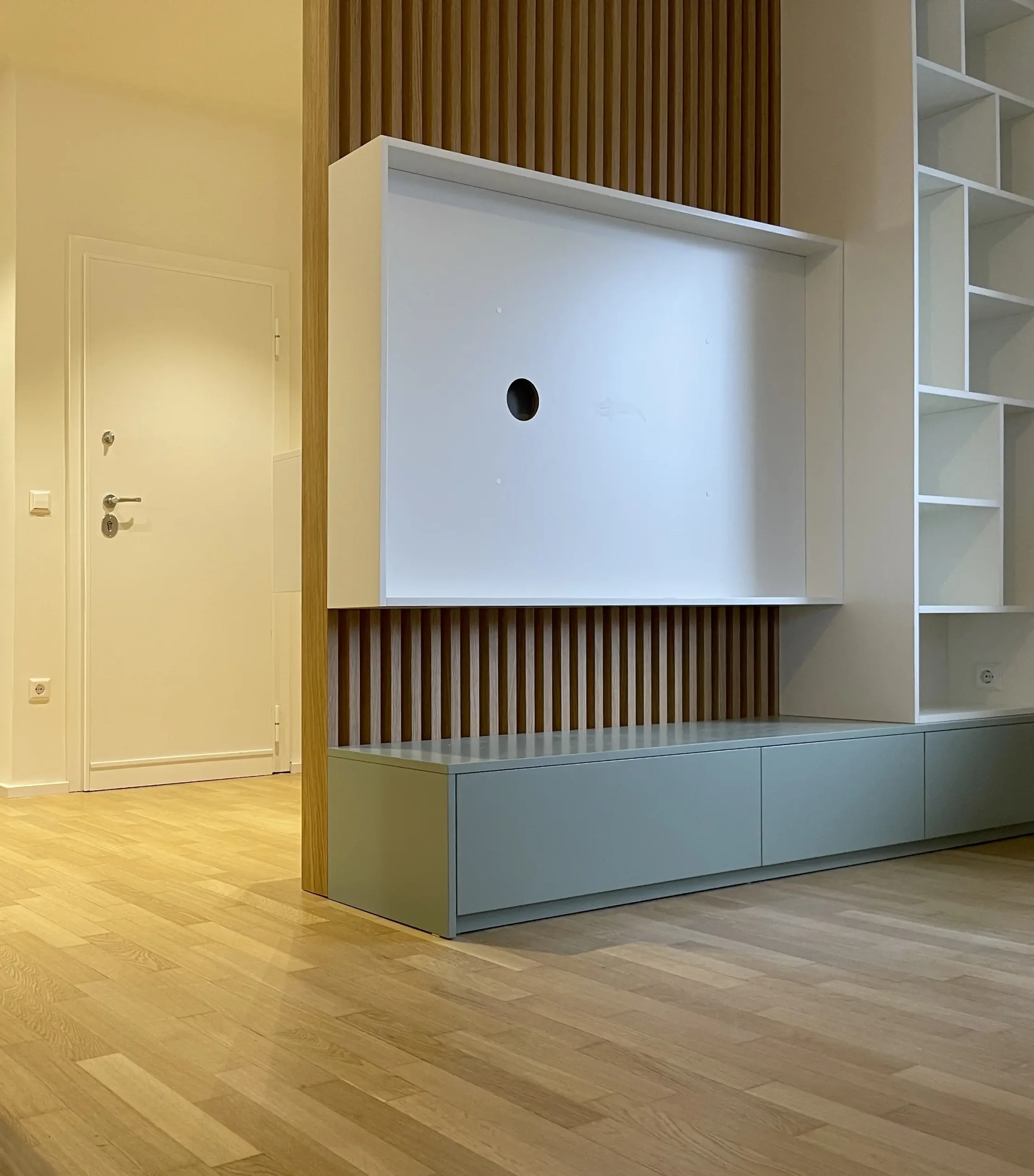
The role of colour and materials in compact spaces is often underestimated, yet it’s one of the most powerful tools we have. Strategic colour choices significantly impact both the perception of space and your emotional connection to your home. A deep terracotta, warm taupe, or sophisticated navy on one wall creates depth and makes the room feel more spacious than painting everything white, particularly when applied to the wall opposite your main window. Colour zoning uses different temperatures to distinguish areas: warm beige in the living area and soft grey-blue in the sleeping zone creates psychological separation in an open-plan layout. Natural materials like oak flooring, linen textiles, and ceramic elements add warmth and texture that prevent the sterile feeling often found in minimalist white spaces. These materials also age gracefully, an important consideration for quality, lasting design that maintains its appeal over time.
Essential principles for elegant compact living
Curated living is essential because every item occupies physical and mental space. Thoughtful curation creates breathing room and allows your most valued possessions to shine rather than compete for attention. This isn’t about deprivation but about intentionality, surrounding yourself with things that genuinely enhance your life. Vertical storage is crucial, and custom solutions that extend to the ceiling provide significantly more storage than standard furniture while keeping floor space clear and maintaining clean sightlines. It is good to maintain the “one in, one out” principle, where before acquiring anything new, you commit to removing something of similar size. This prevents the gradual accumulation that makes spaces feel chaotic and overwhelmed.
Natural light preservation is non-negotiable in compact spaces. Never block windows with heavy treatments or tall furniture, instead opting for sheer curtains or top-down blinds that maintain privacy while allowing maximum daylight to flood your rooms. A cohesive colour palette, ideally 2-3 main colors maintained throughout, creates visual continuity that makes spaces feel larger and more intentional. Neutral bases with warm accent colors create timeless, sophisticated interiors that don’t feel trendy or dated. Embracing quality textures through natural materials like oak, walnut, linen, wool, and ceramic adds richness without visual clutter. These materials elevate the overall design and create a sense of luxury that transcends square footage, making a compact space feel genuinely special rather than merely functional.
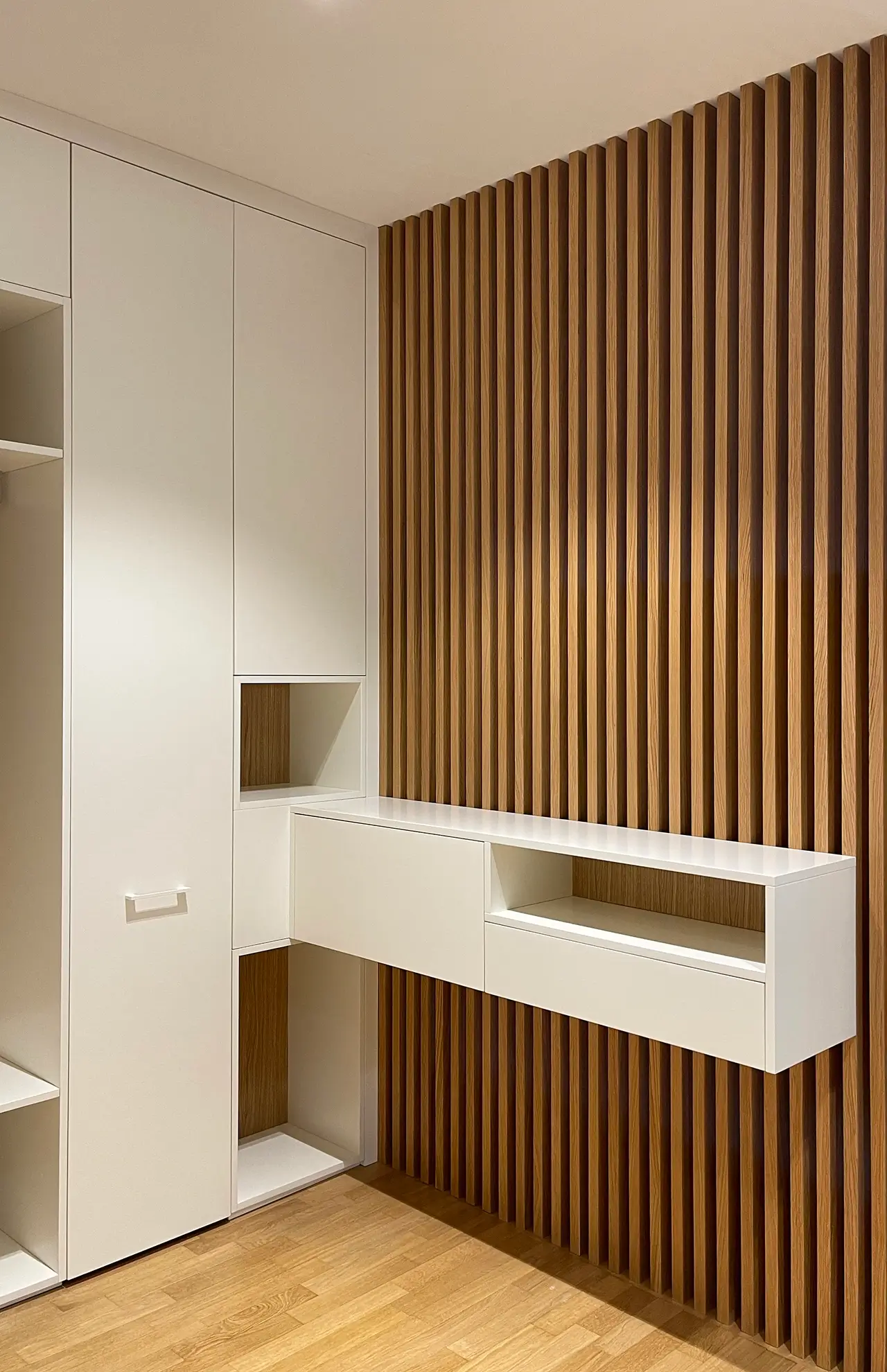
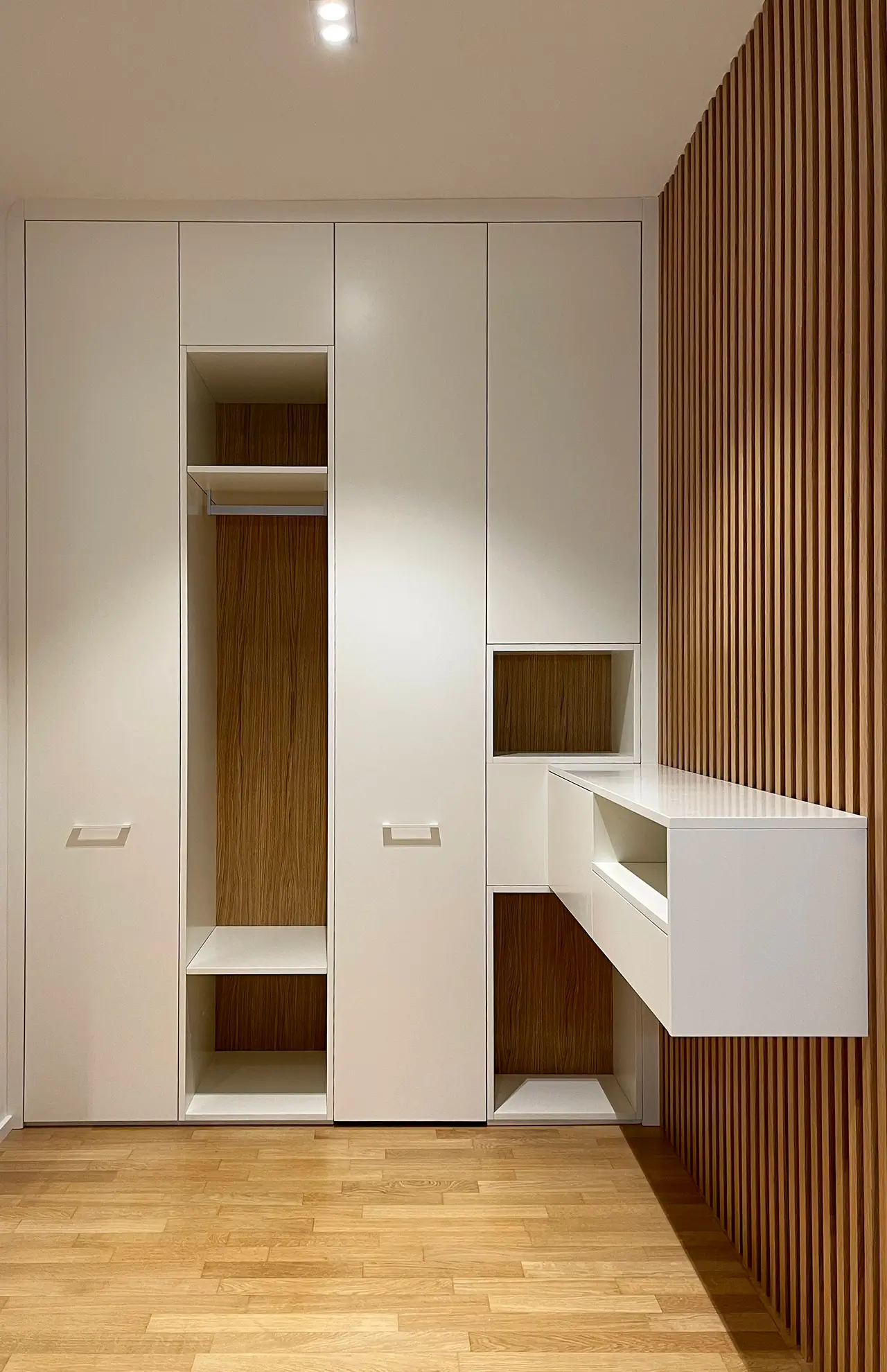
Strategic interventions can dramatically transform how a space feels. Corners are often underutilized, yet they represent valuable real estate where kitchen solutions can add 30-40% more accessible storage or where corner desks maximize workspace while maintaining traffic flow. A substantial mirror placed opposite or adjacent to a main window doubles perceived light and creates depth. This single intervention can dramatically transform the atmosphere of a room, making it feel twice as large. Proportional furniture selection matters immensely because standard-size pieces overwhelm smaller rooms and restrict circulation. A carefully proportioned sofa paired with an elegant armchair creates better flow and can actually accommodate guests more comfortably than oversized pieces that dominate the space.
Multifunctional sophistication means every piece should serve multiple purposes without compromising aesthetics. Interior doors require significant clearance space, and eliminating unnecessary ones while using pocket doors or open passages improves flow while recovering valuable square footage. Naturally, maintain doors where privacy is essential, but question every division that doesn’t serve a genuine purpose. Apartments with higher ceilings offer opportunities for mezzanines or elevated sleeping areas, solutions that free up considerable floor space below for living areas while creating visual interest and architectural drama.
Lighting deserves special attention because overhead fixtures alone create flat, uninviting spaces. Layer your lighting by combining ceiling fixtures with floor lamps, wall sconces, and LED strips to create depth and atmosphere. Dimmable options allow you to adjust ambiance from bright work mode to intimate evening settings, transforming the same space throughout the day. Finally, arrange furniture to allow views across the entire space from multiple positions. This visual continuity significantly enhances the perception of spaciousness and creates a sense of openness that makes compact living feel generous rather than constrained.
Transforming compact kitchens: design strategies that work
A well-designed kitchen is essential for daily living and entertaining, regardless of size. A good project can really make the difference in the kitchen. The right approach creates remarkable functionality in limited square footage. Prioritize drawer units over door cabinets, as they provide 40% more accessible storage. Full-extension slides and custom dividers maximize organization while maintaining clean aesthetics, ensuring that every centimeter works hard. The key is thinking vertically and deeply, using the full height and depth available rather than accepting standard dimensions that waste precious space.
Material choices in compact closed kitchens create impact. Rather than playing it safe with white, consider how distinctive materials create visual interest and personality. Sophisticated matte finishes in black, navy, or green can actually make a kitchen feel more refined than standard white, creating a jewel-box effect that celebrates rather than apologizes for the intimate scale. Retractable and fold-down solutions like pull-out countertops add extra space when needed, then disappear when not in use. Pull-out cutting boards, fold-down tables, and extending counters maximize functionality without permanent space commitment, giving you flexibility to adapt the kitchen to different tasks throughout the day.
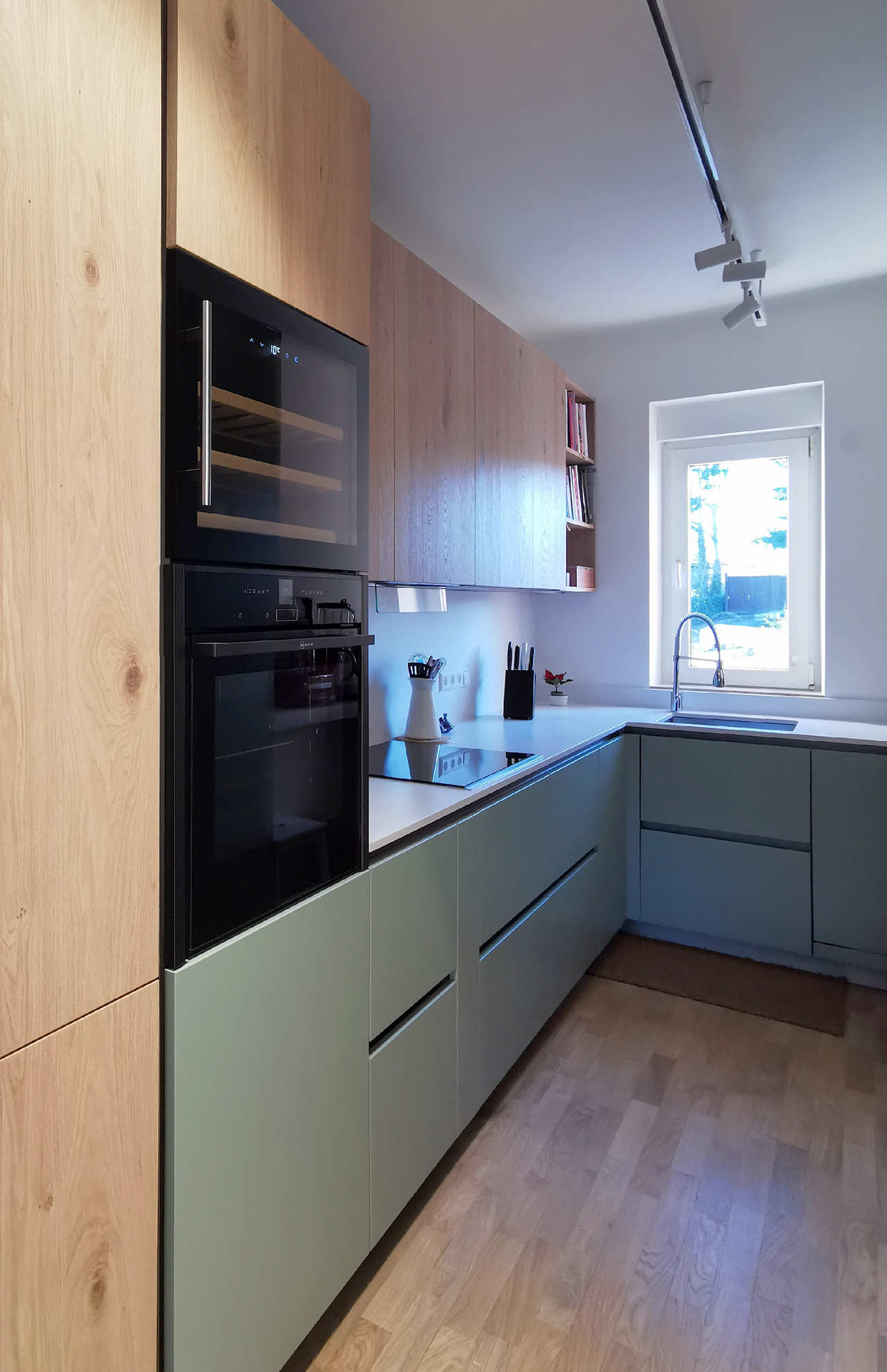
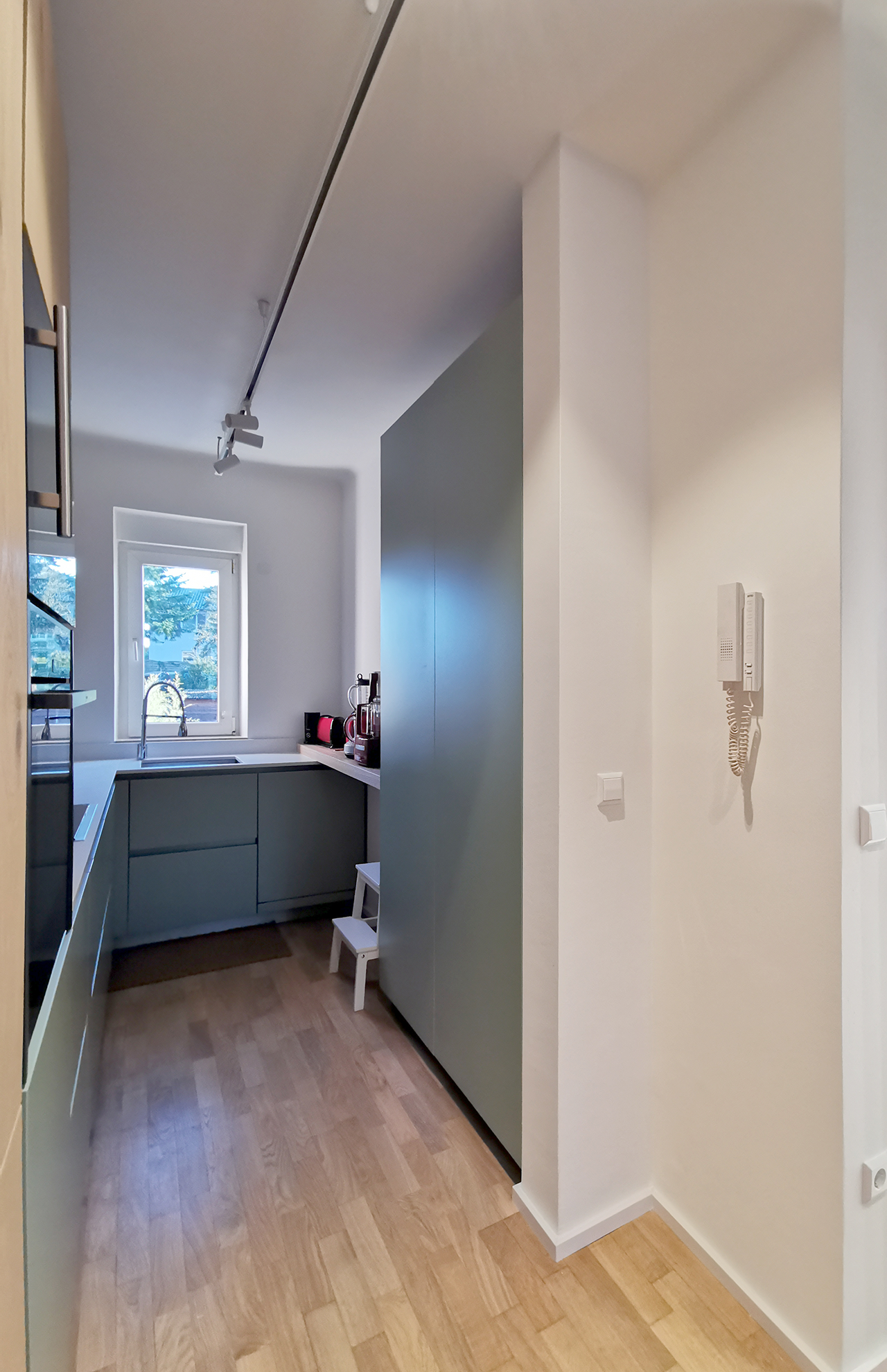
The peninsula approach replaces the traditional separate dining table with a 60-80 cm deep peninsula that provides dining space while defining the kitchen boundary. It offers valuable storage underneath and creates a natural gathering point for casual meals or conversation during meal preparation. This solution is more space-efficient than a separate table and actually encourages more social cooking and entertaining. For occasions when you need a full dining table, an extendable console provides the answer. This flexibility means you’re not sacrificing daily living for occasional entertaining.
Vertical storage maximization means extending cabinets to the ceiling, even if you need a step stool for the top shelf. That additional height provides storage for seasonal items, specialty equipment, and bulk pantry goods. Include interior cabinet lighting to maintain accessibility and visual appeal, ensuring these upper cabinets don’t feel like dark, forgotten spaces. Space-optimized appliances provide full functionality while conserving precious centimeters. Consider 45cm-wide dishwashers, combination microwave-ovens, and appropriately sized refrigeration that matches your actual needs rather than standard expectations. Quality compact appliances offer the same performance as full-size options while giving you more room to work. Finally, eliminate or minimize kitchen doors to create flow between spaces. An integrated kitchen feels more spacious and allows for natural interaction between cooking and entertaining areas, making the entire apartment feel more connected and generous.