

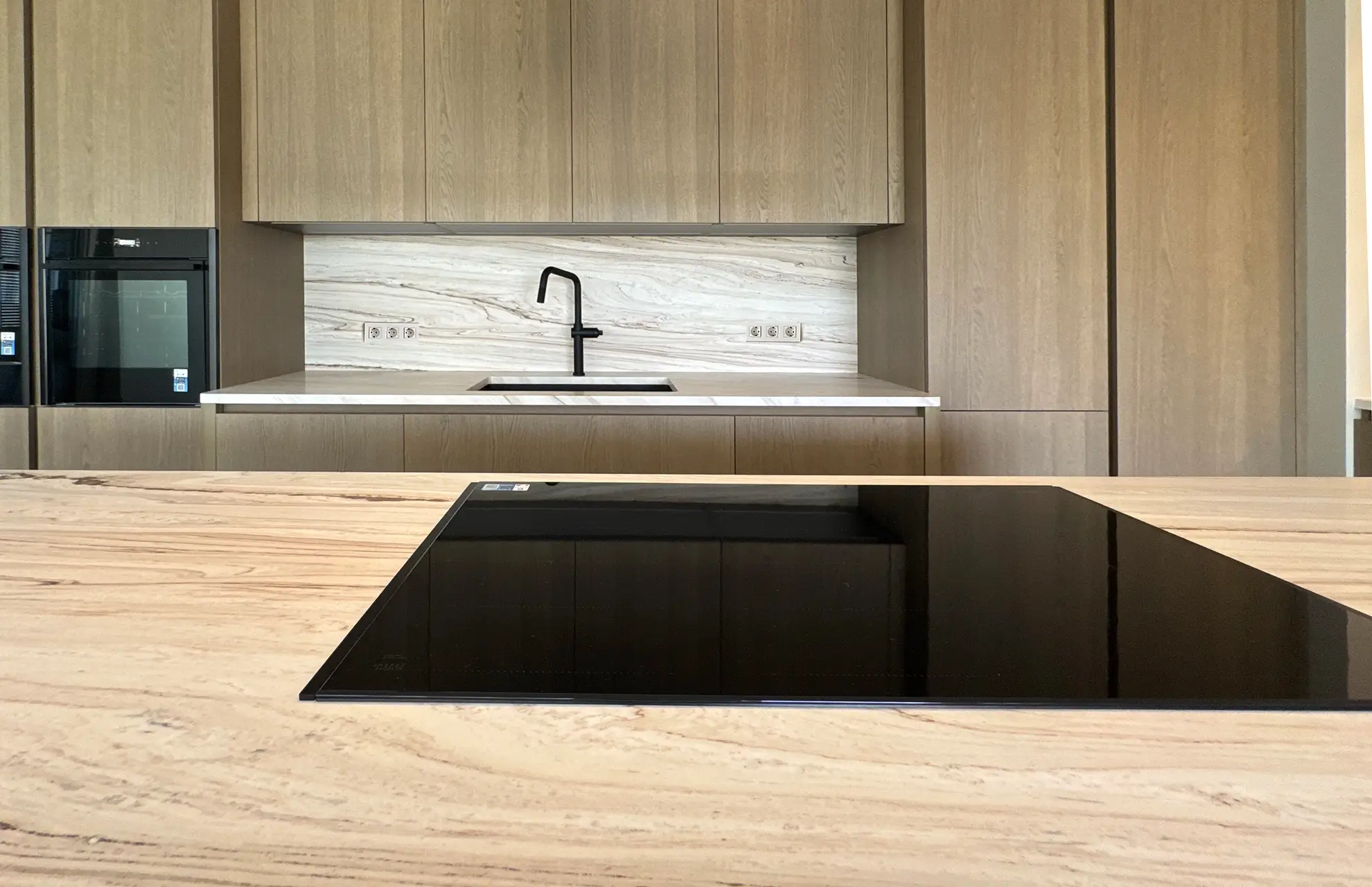
Marble has been synonymous with elegance and luxury for centuries. In modern kitchens, marble worktops are experiencing a remarkable resurgence, captivating homeowners who seek the perfect balance between timeless aesthetics and practical functionality. But is a marble kitchen countertop the right choice for your home? This comprehensive guide explores the real advantages and disadvantages of marble worktops, helping you make an informed decision for your kitchen renovation.
What Makes Marble Kitchen Worktops Special?
Marble is a natural metamorphic stone formed from limestone under intense heat and pressure. This geological process creates the distinctive veining patterns that make each marble slab completely unique. When installed as a kitchen worktop, marble brings an unmistakable sense of sophistication and prestige that few materials can match.
The Timeless Appeal of Marble Countertops
Choosing a marble kitchen worktop means investing in a design that never goes out of style. Unlike trendy materials that may look dated in a few years, marble has graced prestigious homes and buildings for millennia. Each slab tells its own story through irregular veining patterns that transform your kitchen into a refined, personalized space.
The color palette of marble worktops ranges from the classic white Carrara marble to more dramatic greys, blacks, and greens. This versatility allows marble to complement various interior design styles, from traditional country kitchens to sleek contemporary spaces.
Marble Kitchen Worktop Advantages
1. Unparalleled Aesthetic Appeal
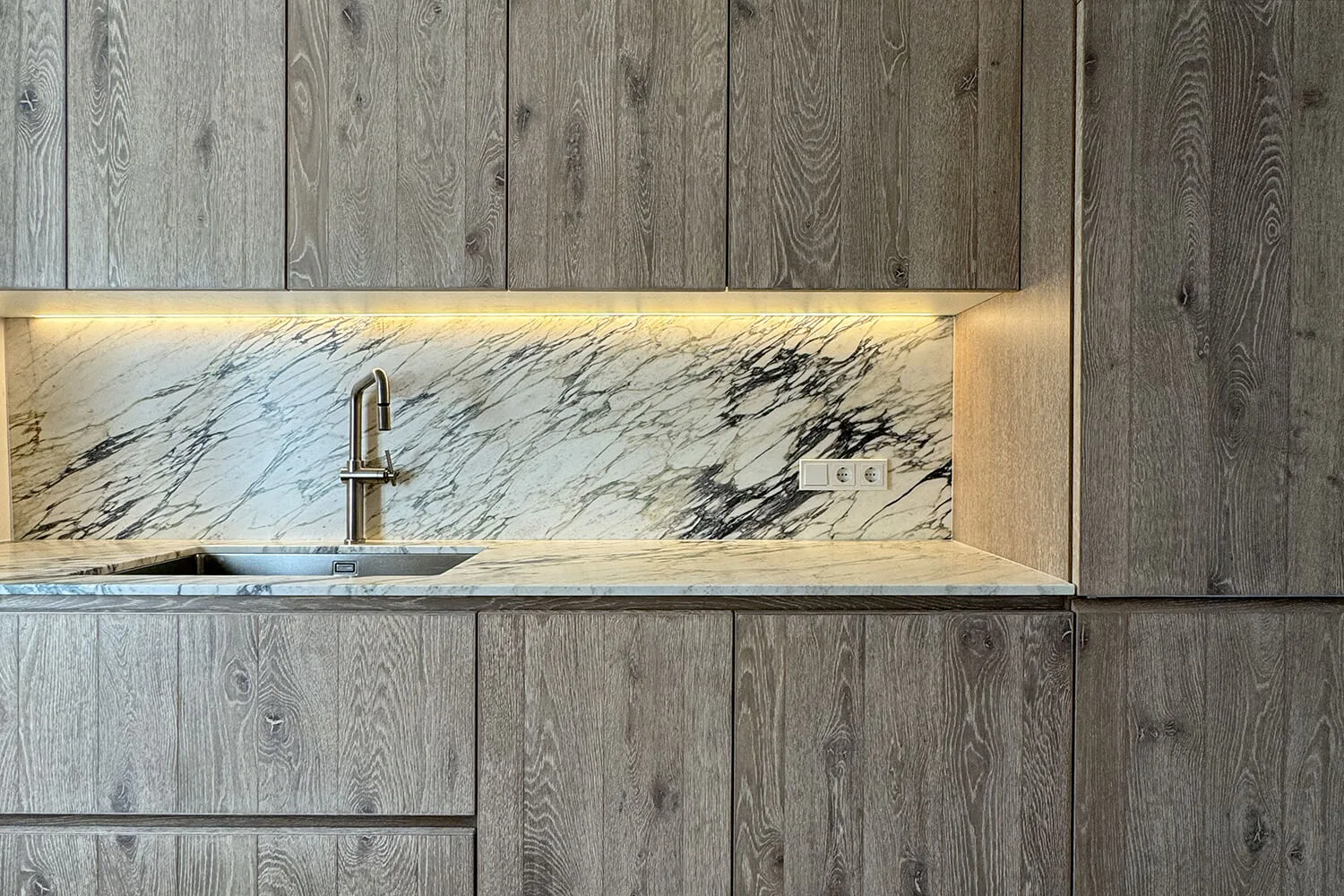
A marble countertop delivers instant luxury and prestige to any kitchen. The natural beauty of marble creates a high-end look that’s difficult to replicate with artificial materials. Whether you choose white Carrara, elegant Calacatta, or sophisticated Statuario marble, your kitchen will exude refinement.
2. Natural Uniqueness
No two marble slabs are identical. The veining patterns, color variations, and natural characteristics ensure your kitchen worktop is truly one-of-a-kind. This exclusivity appeals to homeowners who value individuality and want their kitchen to stand out.
3. Excellent Heat Resistance
Marble worktops naturally stay cool, making them ideal for pastry work and baking. The stone’s heat-resistant properties mean you can place hot pots and pans directly on the surface without immediate damage, though using trivets is still recommended for long-term care.
4. Style Versatility
Marble seamlessly transitions between design aesthetics. It works beautifully in:
- Classic and traditional kitchens
- Modern minimalist spaces
- Transitional designs
- Farmhouse and rustic settings
- Contemporary urban lofts
5. Increases Property Value
A genuine marble kitchen worktop can enhance your home’s resale value. Potential buyers often view natural stone countertops as premium features worth paying extra for.
6. Cool Surface for Baking
Professional bakers and pastry chefs appreciate marble’s naturally cool temperature, which is perfect for working with dough, chocolate, and other temperature-sensitive ingredients.
Marble Worktop Disadvantages to Consider
1. Porosity and Stain Sensitivity
Marble is more porous than engineered materials like quartz. This means it can absorb liquids and stain easily if spills aren’t cleaned promptly. Common culprits include:
- Red wine
- Coffee and tea
- Citrus juices (lemon, lime, orange)
- Tomato-based sauces
- Oil and grease
2. Susceptibility to Etching
Acidic substances can etch marble surfaces, creating dull spots where the acid has chemically reacted with the calcium carbonate in the stone. Even common items like vinegar, wine, or citrus fruits can cause etching if left on the surface.
3. Relatively Soft and Scratch-Prone
Compared to granite or quartz, marble is softer and vulnerable to scratches and chips. Cutting directly on marble or dropping heavy objects can damage the surface. Always use cutting boards to protect the surface.
4. Higher Cost
Marble kitchen worktops typically cost more than alternatives like laminate, solid surface, or even some granite options. Prices vary based on:
- Marble type and rarity
- Slab thickness
- Edge profile complexity
- Installation requirements
- Geographic location
Expect to pay between € 400-€ 800+ per square meter for quality marble, plus installation costs.
5. Ongoing Maintenance Requirements
Unlike low-maintenance materials such as quartz, marble demands regular care and attention to preserve its beauty and prevent damage. Proper maintenance is essential to keep a marble worktop looking beautiful.
Daily Care Routine
- Wipe spills immediately with a soft, damp cloth
- Use pH-neutral cleaners specifically designed for natural stone
- Avoid harsh chemicals, acidic cleaners, or abrasive scrubbers
- Dry the surface after cleaning to prevent water spots
Quick Reference: Marble Worktop Pros and Cons
| Advantages | Disadvantages |
|---|---|
| Elegant, prestigious appearance | Sensitive to stains and etching |
| Each slab is completely unique | Surface can scratch and chip |
| Excellent heat resistance | Requires regular maintenance |
| Timeless style versatility | Higher initial cost |
| Increases home value | Porous nature needs sealing |
| Cool surface ideal for baking | Less practical than engineered stone |
| Natural, sustainable material | Can develop patina over time |