

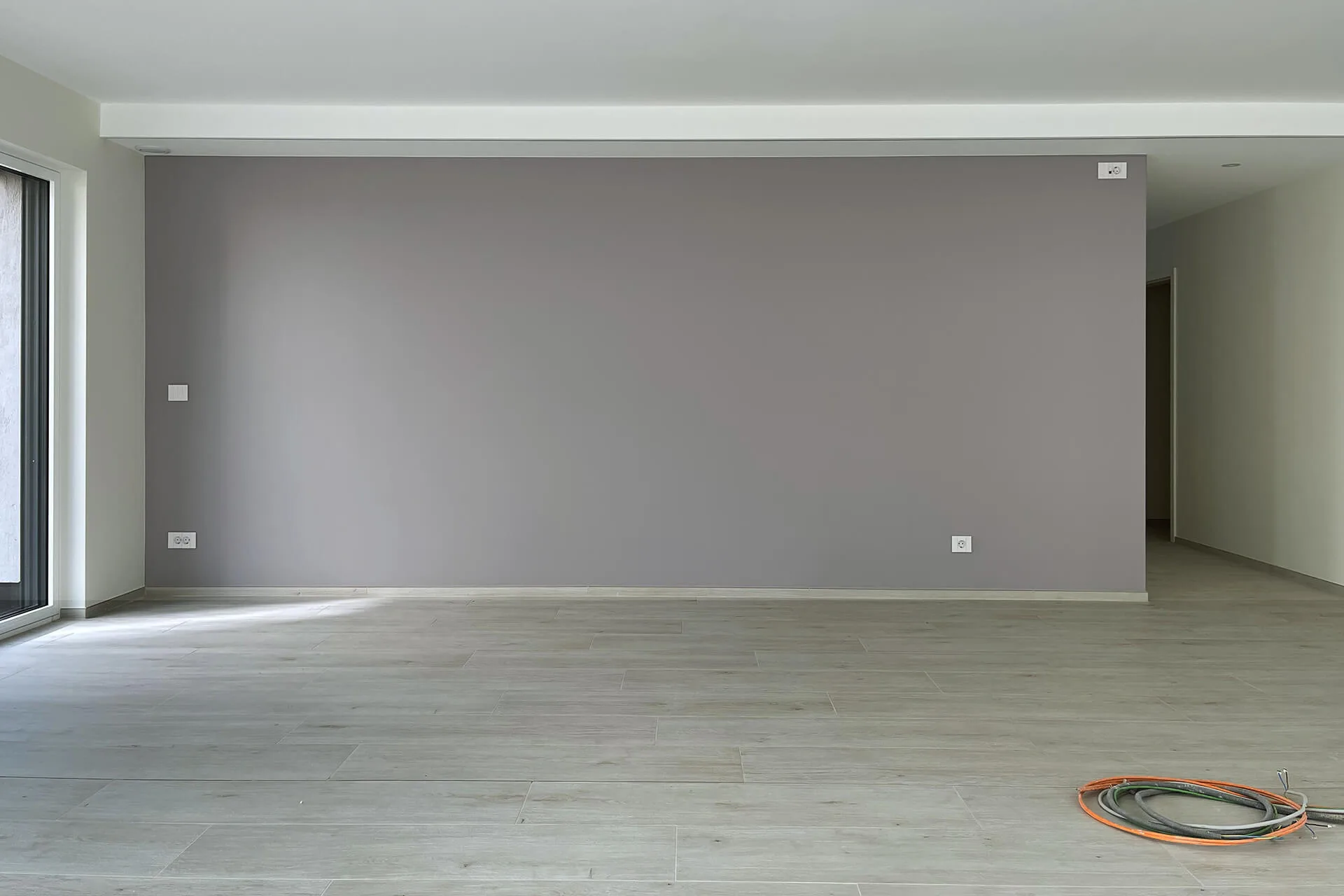
Greige is much more than just a neutral color. It’s that sophisticated shade halfway between gray and beige, capable of transforming any space into an elegant and welcoming environment. If you’re looking for a versatile color palette for your Luxembourg home, greige might be exactly what you need.
Why is greige still so current? Because this warm neutral creates depth without weighing down spaces, adapts to any style (from contemporary to classic), and offers a perfect base for daring with bolder color accents. Unlike cool gray, now in decline, greige brings warmth and personality to spaces.
What Exactly is Greige?
The term “greige” is a portmanteau of “gray” and “beige.” It’s a complex color that blends gray, brown, and subtle notes of purple or pink, creating a neutral yet richly nuanced shade. Its perception changes significantly based on natural and artificial light, making it a dynamic color that evolves throughout the day.
Greige shades range from light dove gray to deeper, earthier tones. This variety makes it extremely versatile, allowing you to choose the intensity best suited to each room in your home.
The Best Color Palettes with Greige
There isn’t just one greige. The palette is broad and varied, with shades ranging from lighter to darker, cooler to warmer, depending on the amount of gray or brown in the composition.



Greige + White
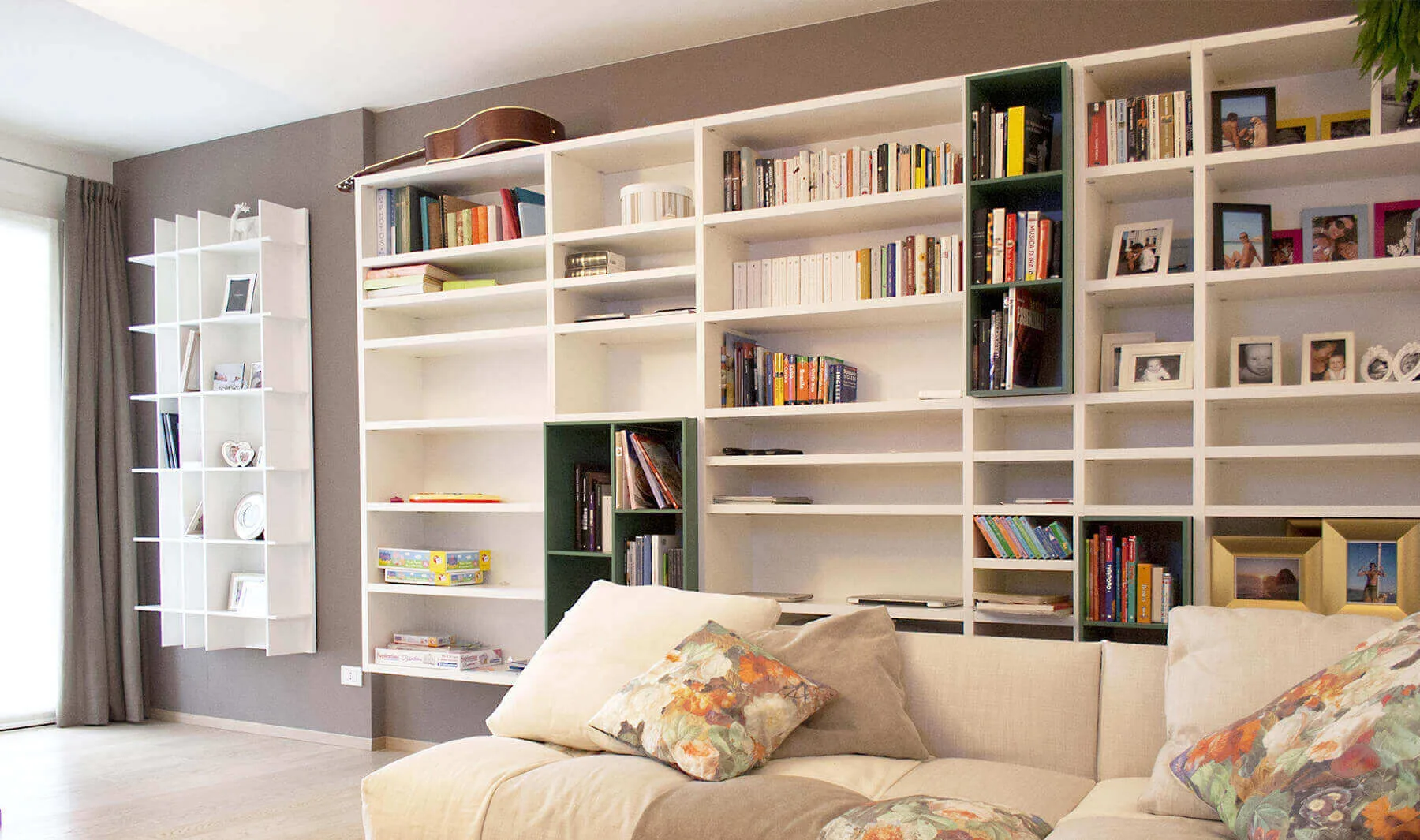
The combination of greige and white is among the most refined and appreciated. This pairing brings lightness to any environment, creating a bright and airy atmosphere without sacrificing warmth. Perfect for walls, with white furniture on greige tones or vice versa.
Tip: On greige walls, a custom white bookshelf creates an elegant contrast that enhances both books and decorative objects. The result is sophisticated and never boring.
Greige + Natural Wood
Greige pairs magnificently with natural wood, both light and dark. Hardwood floors, exposed beams, or wooden furniture create a warm and enveloping dialogue with greige, perfect for those seeking a natural and comfortable aesthetic.
This combination works particularly well in bedrooms, living rooms, and walk-in closets, where greige on walls or fabrics enhances wood grain.
Greige + Fabrics and Textures
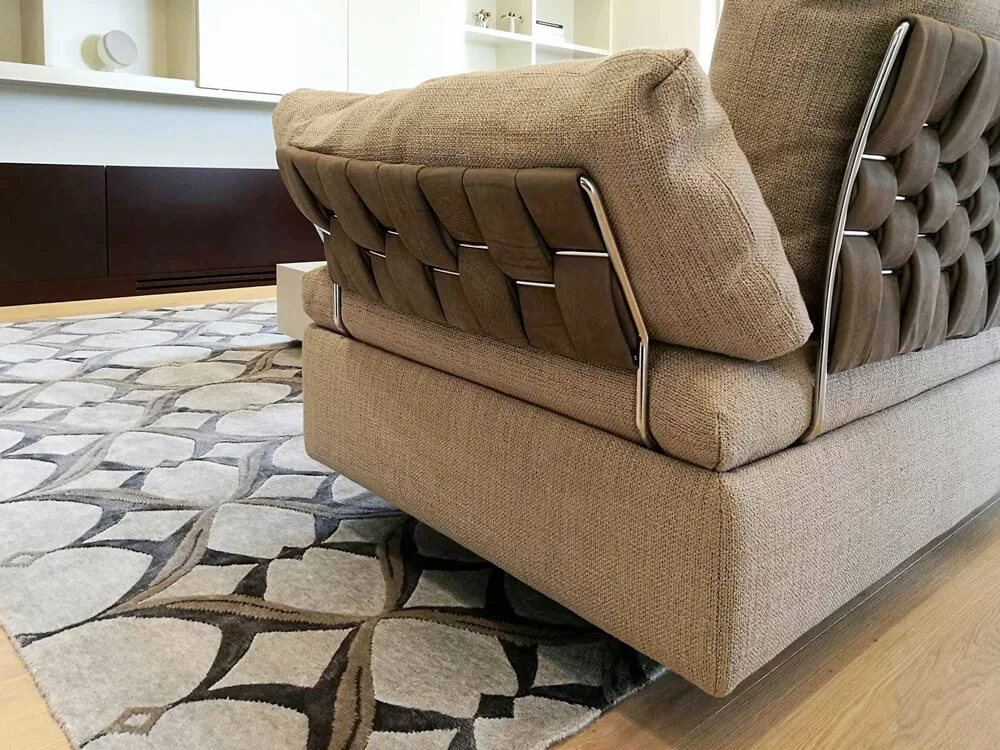
Greige’s true strength emerges when paired with fabrics of different textures. Velvets, linens, wools, and cottons in greige shades create sophisticated visual layers. A greige sofa with cushions in natural fabrics, wool throws, and textured rugs transforms the living room into a rich and inviting space.
The key is playing with surfaces: smooth and rough, matte and glossy, soft and structured. This creates depth without needing strong colors.
Greige + Color Accents
Greige is the perfect base for daring with chromatic accents. Olive green, navy blue, terracotta, mustard, or even dusty pink pair beautifully with this neutral shade. These color touches can be introduced through cushions, artwork, lamps, or small decorative accessories.
How to Use Greige in Every Room
In the Living Room
Greige walls create an elegant backdrop for the living area. If you have an open space, greige helps define zones without creating visual interruptions. Pair it with a light sofa or natural wood furniture for a harmonious result.
In the Bedroom
Greige is perfect for the sleeping area because it promotes relaxation. Use it on a wall behind the bed or as the dominant shade for bedding and curtains. Pair with light woods and natural linen sheets for a serene atmosphere.
In the Walk-in Closet
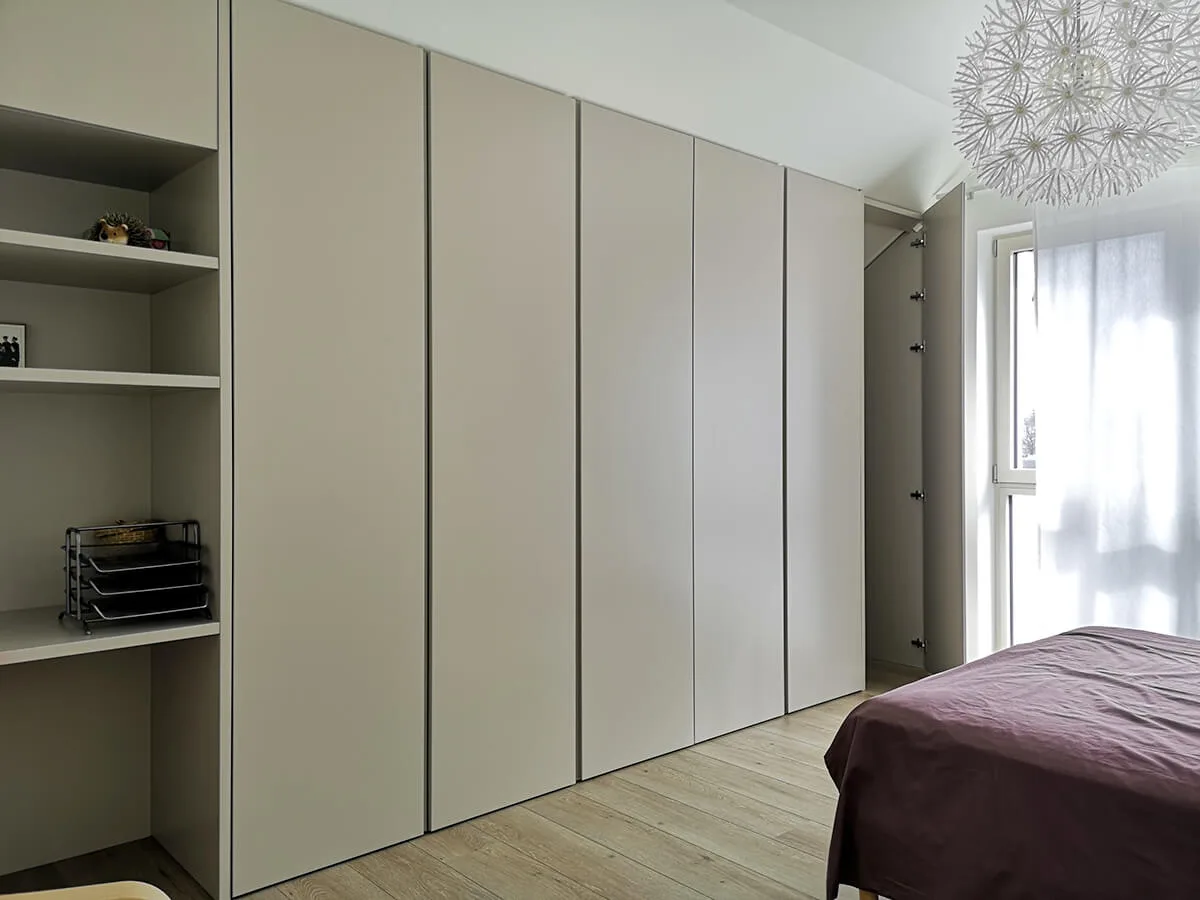
A custom closet in greige tones with hardwood flooring creates an elegant and functional space. Greige in this area helps highlight clothes and accessories without distracting attention.
In Kitchen and Bathroom
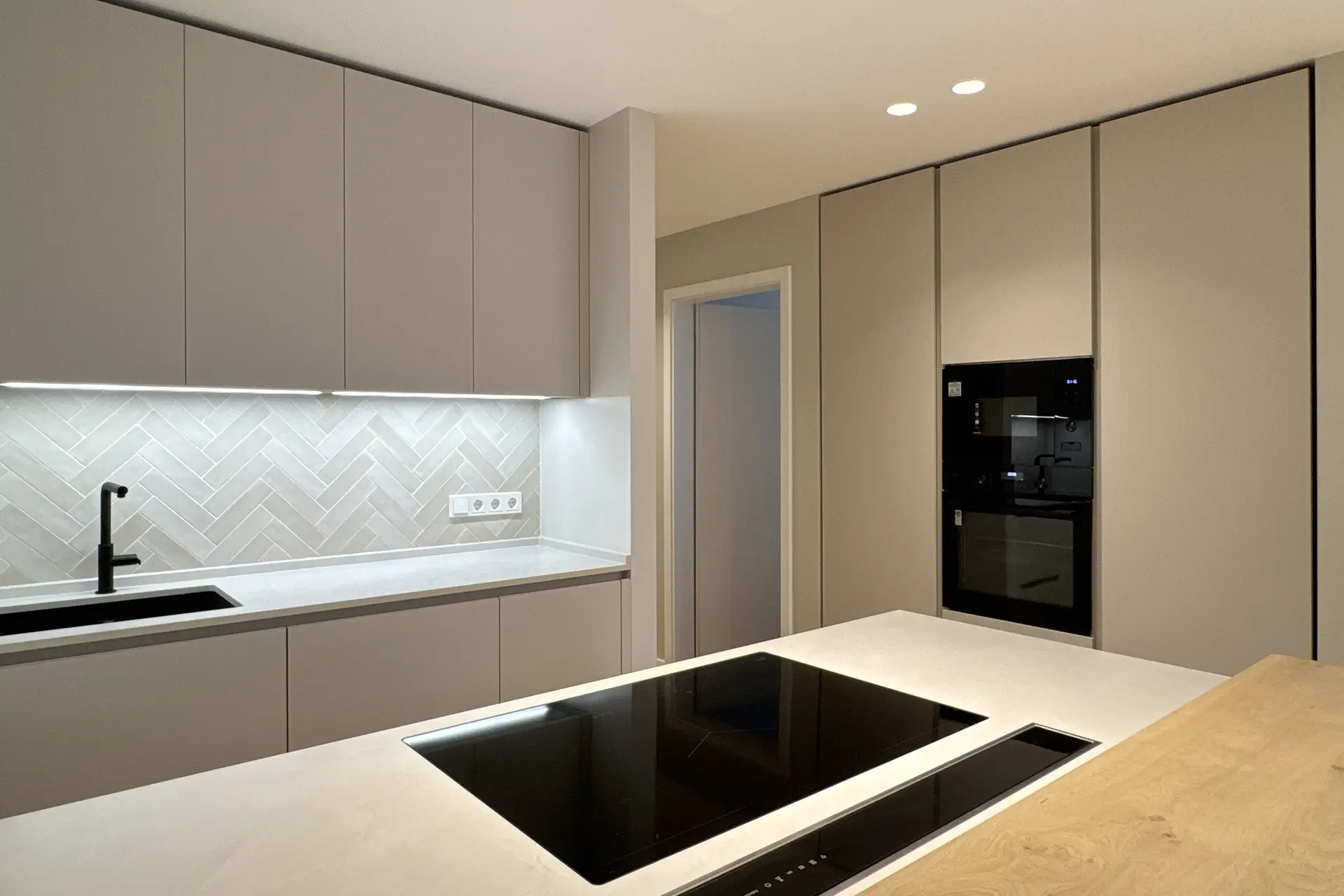
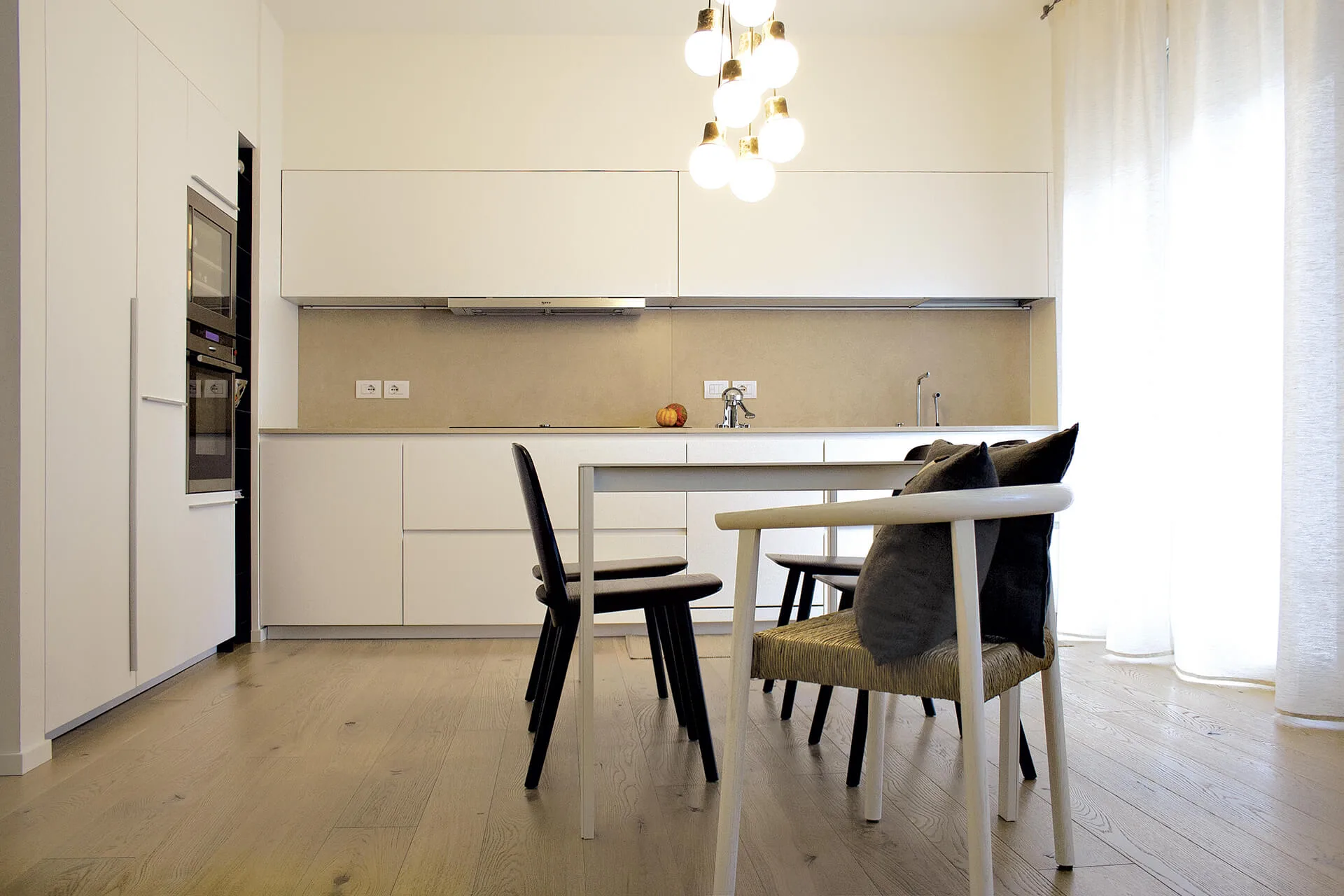
Greige works magnificently in kitchens and bathrooms too, especially when paired with marble, natural stone, or light ceramics. In the kitchen, greige cabinets with white marble countertops create a contemporary and elegant look.
Mistakes to Avoid
1. Avoid Total Tone-on-Tone
If you paint walls greige, choose furniture and fabrics that create contrast, even slight. Everything in the same color flattens the environment and makes it monotonous. Play with different shades of greige or add varied textures and materials to create visual interest.
2. Don’t Underestimate Lighting
Greige reacts strongly to light. In small or poorly lit rooms, it risks appearing flat or dull. Ensure you have good lighting, both natural and artificial. Warm lights enhance greige’s brown undertones, while cool lights accentuate gray tones.
3. Don’t Use It Everywhere
The fact that greige pairs well with everything doesn’t mean you should use it in every room. During the design phase, define a specific color palette for each environment, maintaining coherence but also variety. Greige can be the connecting thread, but not the only voice in the chromatic composition.
4. Beware of Very Small Rooms with Dark Greige
In small spaces, overly dark greige shades can make the room appear even smaller. Prefer lighter, brighter shades, reserving deep greiges for larger spaces or as accents on a single wall.
Greige for Exterior Facades
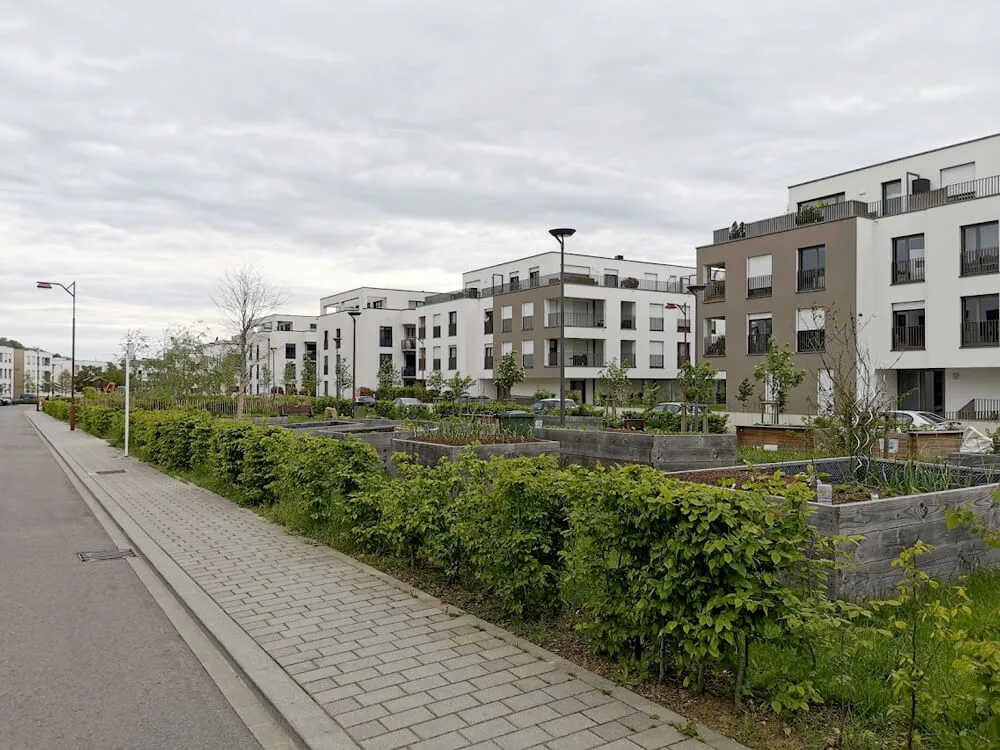
Greige isn’t just for interiors. This shade is increasingly used for exterior building facades in Luxembourg, where it creates a modern and sophisticated look that integrates perfectly with both urban and natural landscapes.
A greige facade gives the building character without being intrusive, pairs well with white, black, or natural wood window frames, and maintains a fresh appearance over time. It’s a choice that balances tradition and contemporaneity.
Greige isn’t a passing trend but a timeless choice for those seeking elegance, versatility, and warmth. Whether you’re planning a complete renovation or simply want to refresh some spaces, greige offers endless possibilities.
If you want to create a custom color palette for your Luxembourg home, we can help you choose the perfect greige shades and pair them harmoniously with materials, finishes, and furnishings. Every project deserves the right chromatic attention.