

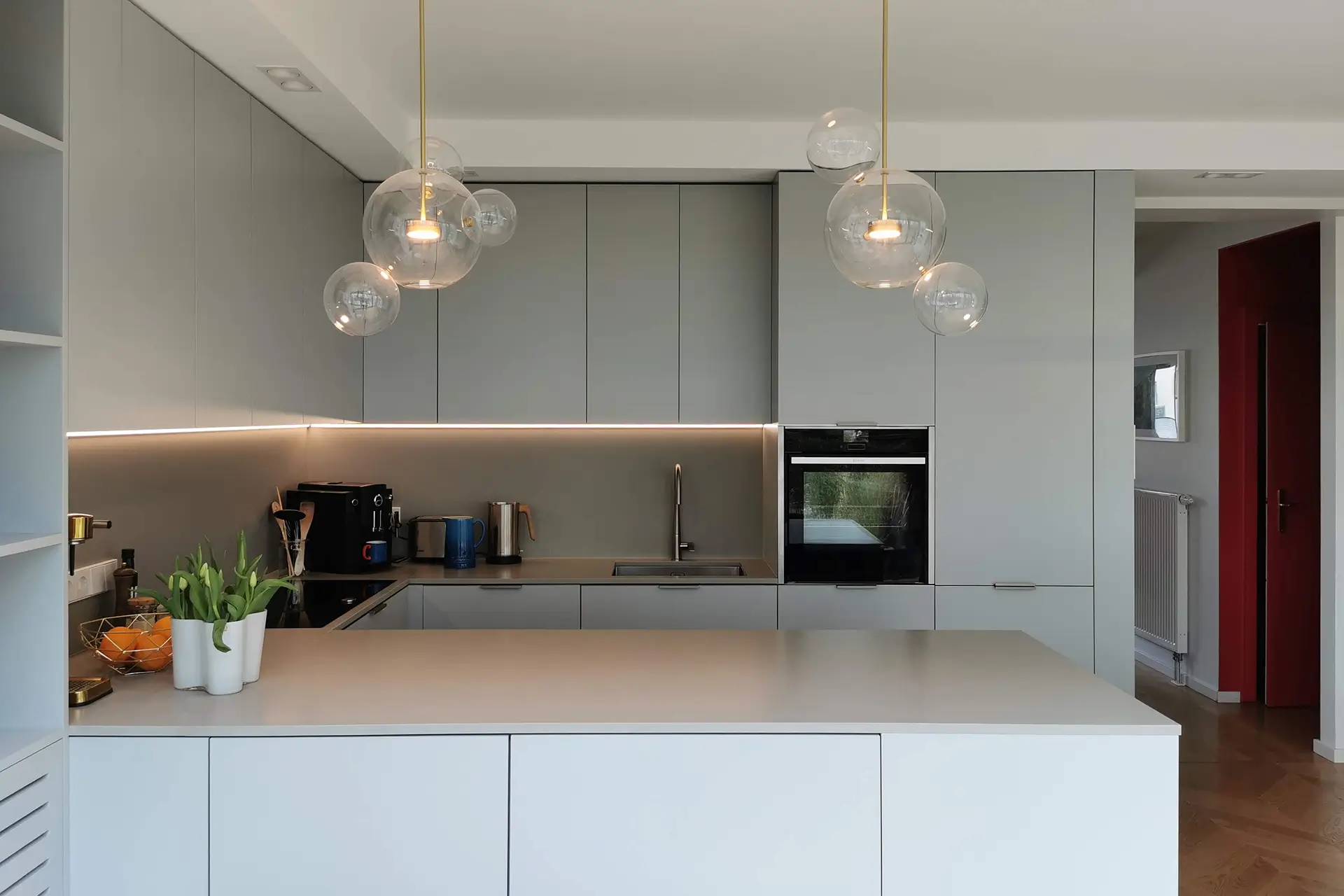
Choosing a kitchen countertop goes beyond selecting an attractive surface. Finding the right balance between design and functionality means picking a material that fits your lifestyle and daily needs. Stone, with its natural robustness and resistance to scratches and stains, remains a valued choice for contemporary projects.
Marble, with its unique veining and color variations, offers elegance and a range of possibilities thanks to the different variants available. Quartz, on the other hand, stands out for its ability to mimic the appearance of other stones while providing greater durability and lower maintenance requirements.
Contemporary alternatives such as concrete or synthetic composites offer innovative and versatile solutions suitable for modern designs. These materials combine functionality and aesthetics, meeting the expectations of the most demanding users.
When selecting a countertop material, it is essential to consider not only appearance but also practical characteristics such as ease of cleaning and long-term durability. Certain surfaces, particularly those made of ceramic or quartz, offer advantages like scratch and bacteria resistance, making them ideal for family environments.
Quartz agglomerate
Quartz agglomerate is a composite material consisting of 90 to 95% natural quartz, valued for its hygienic qualities and considerable hardness. It is renowned for its resistance to abrasion, wear and acids, characteristics that make it particularly suitable for kitchens where activity is intense and durability is essential.
Despite its many advantages, quartz agglomerate has certain limitations. Its sensitivity to high temperatures and direct flames, due to the presence of resin (albeit in small quantities), requires attention in daily use to avoid damaging the material. Using trivets and taking care when handling hot pots is advisable.
Innovation in the field has led to the development of fascinating new variants. Recent finishes mimic the effect of natural stones, enriching the range with options that combine the durability of quartz with the varied and attractive aesthetics of traditional stones. These innovations offer increasingly personalized solutions to suit all kitchen styles, making quartz agglomerate an increasingly popular choice among consumers looking for functional yet aesthetically pleasing materials.
Fenix
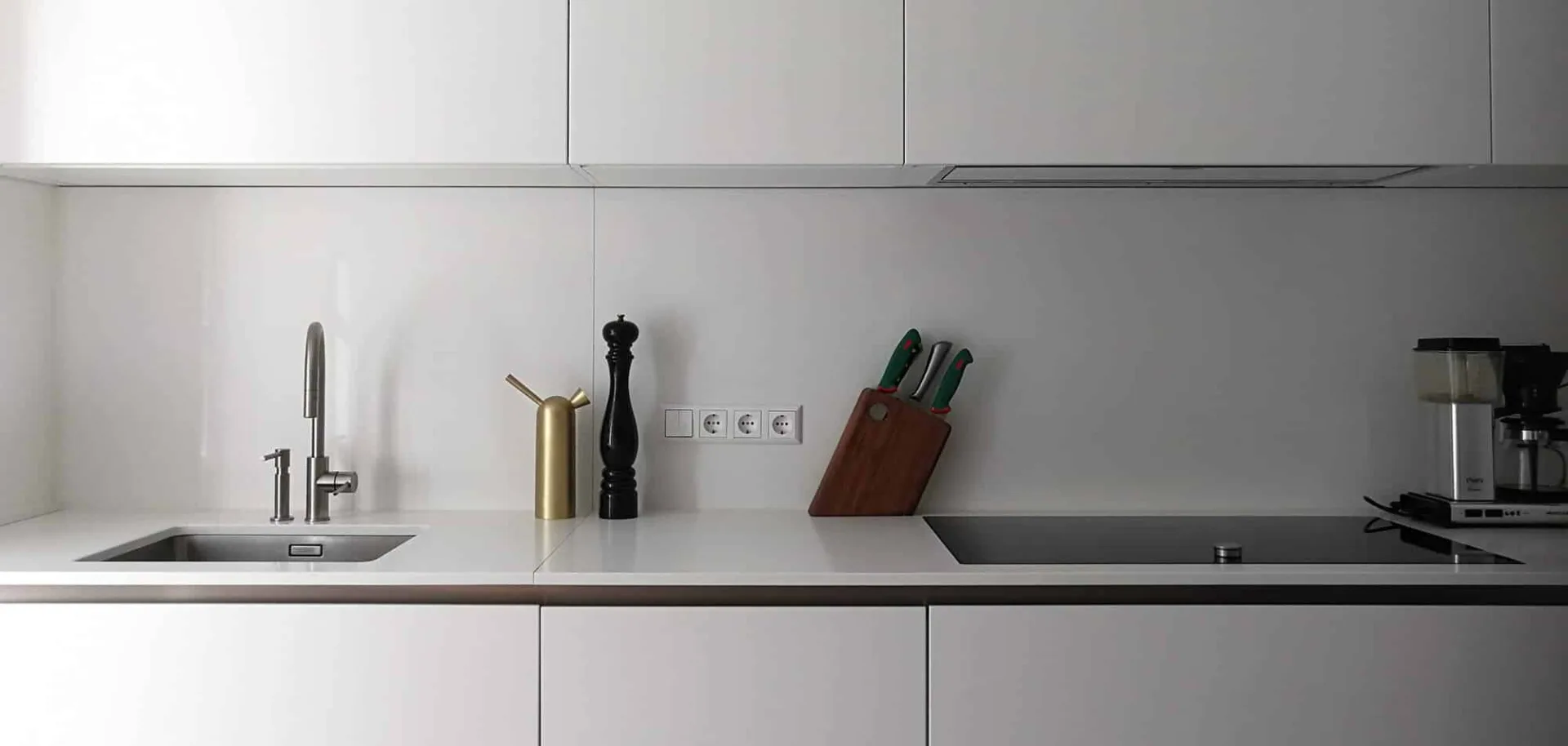
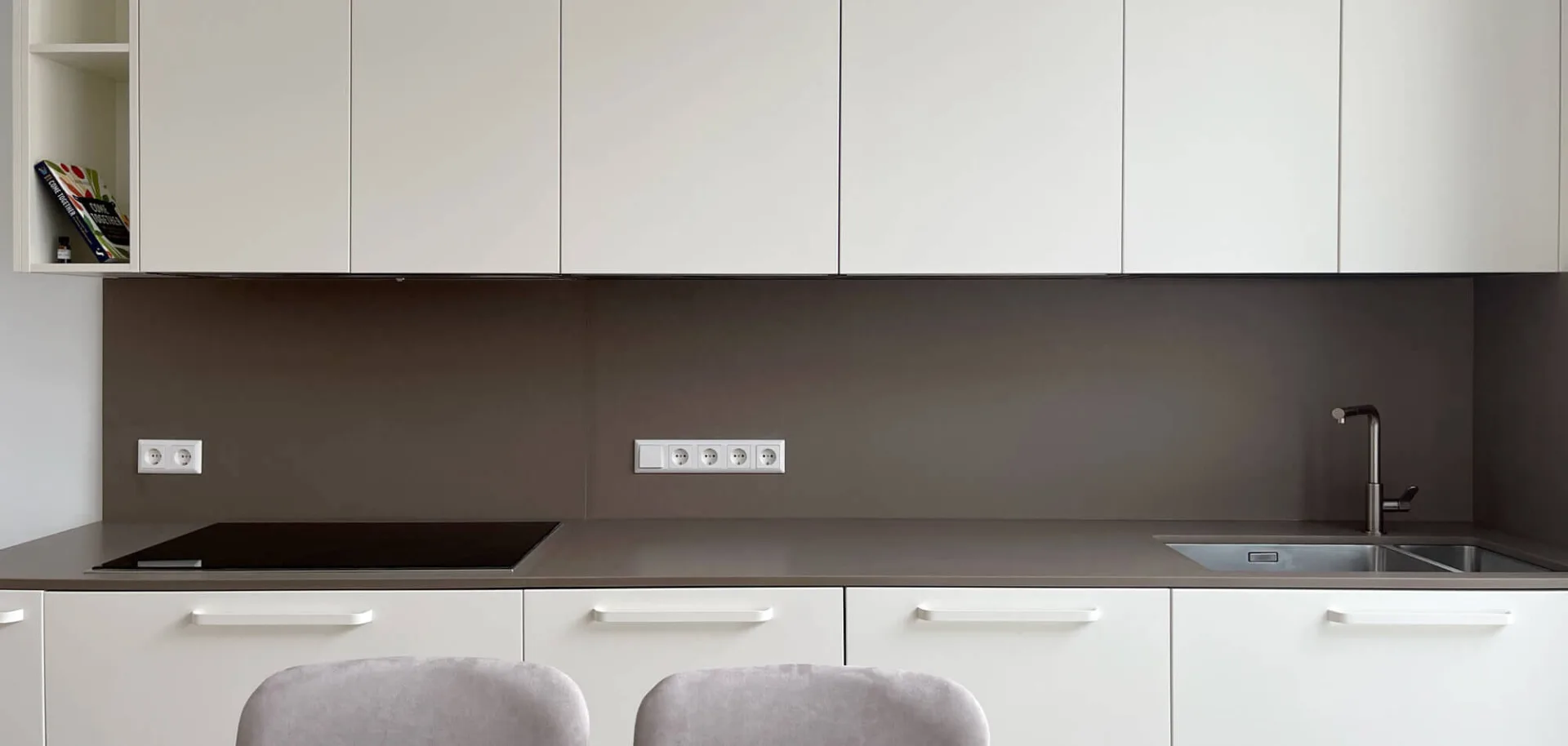
Thanks to nanotechnology, Fenix offers matte, fingerprint-resistant surfaces that are soft to the touch. It is made of paper and thermosetting resins, with an exterior surface treated with next-generation acrylic resins. While it is fingerprint-resistant and pleasant to touch, it doesn’t have high resistance to scratches, abrasion or solvents.
Fenix does have the ability to self-repair micro-scratches through heat exposure, for example by using an iron on a cloth placed over the affected area. However, this intervention is only effective if the damage isn’t particularly visible or deep.
Those accustomed to intensive kitchen use might prefer more resistant alternatives. Fenix remains an interesting choice for those seeking modern and minimalist aesthetics, prioritizing visual and tactile appeal over extreme resistance.
Dekton
Dekton is an ideal material for kitchen countertops, derived from a sophisticated blend of the finest raw materials used in the production of glass, ceramics and high-quality quartz. It represents the highest levels of technology achieved in the sector.
Its high resistance to UV rays prevents color fading, allowing the countertop to maintain its chromatic intensity over the years. Another appreciated feature is its high resistance to scratches and stains, thanks to extremely low porosity and the absence of resins.
These properties make Dekton a countertop that is absolutely heat-resistant, allowing direct contact with pots just taken off the stove without risk of damage. An endless series of technical advantages makes this material extremely functional, versatile and adaptable to any circumstance.
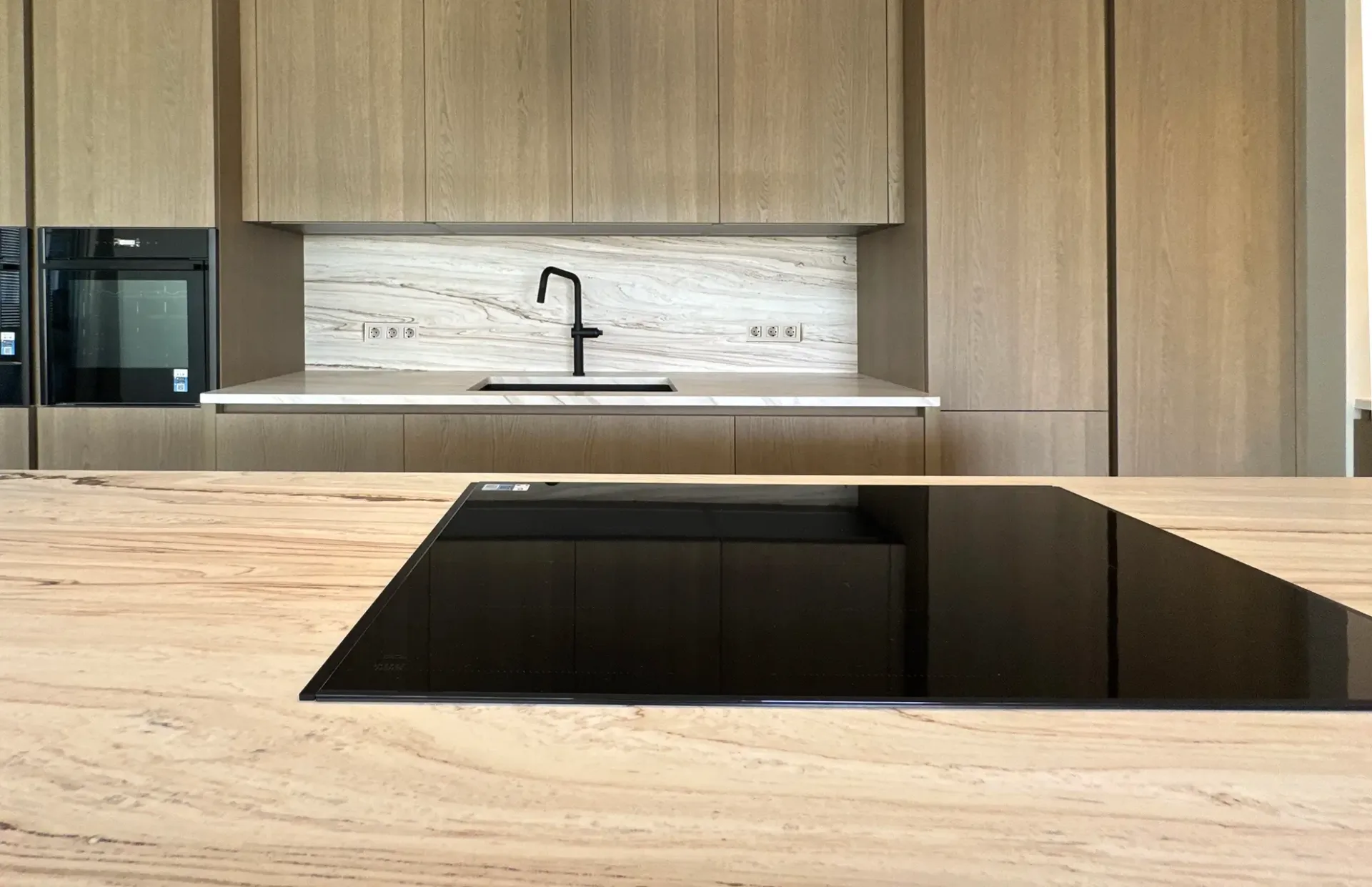
These are complemented by high-value aesthetic characteristics that confer elegance and charm. It is possible to cover the entire countertop or the surface of an island with a single slab, creating a remarkable clean effect and visual continuity. Dekton represents the ideal choice for those seeking maximum technical performance without aesthetic compromises.
Marble
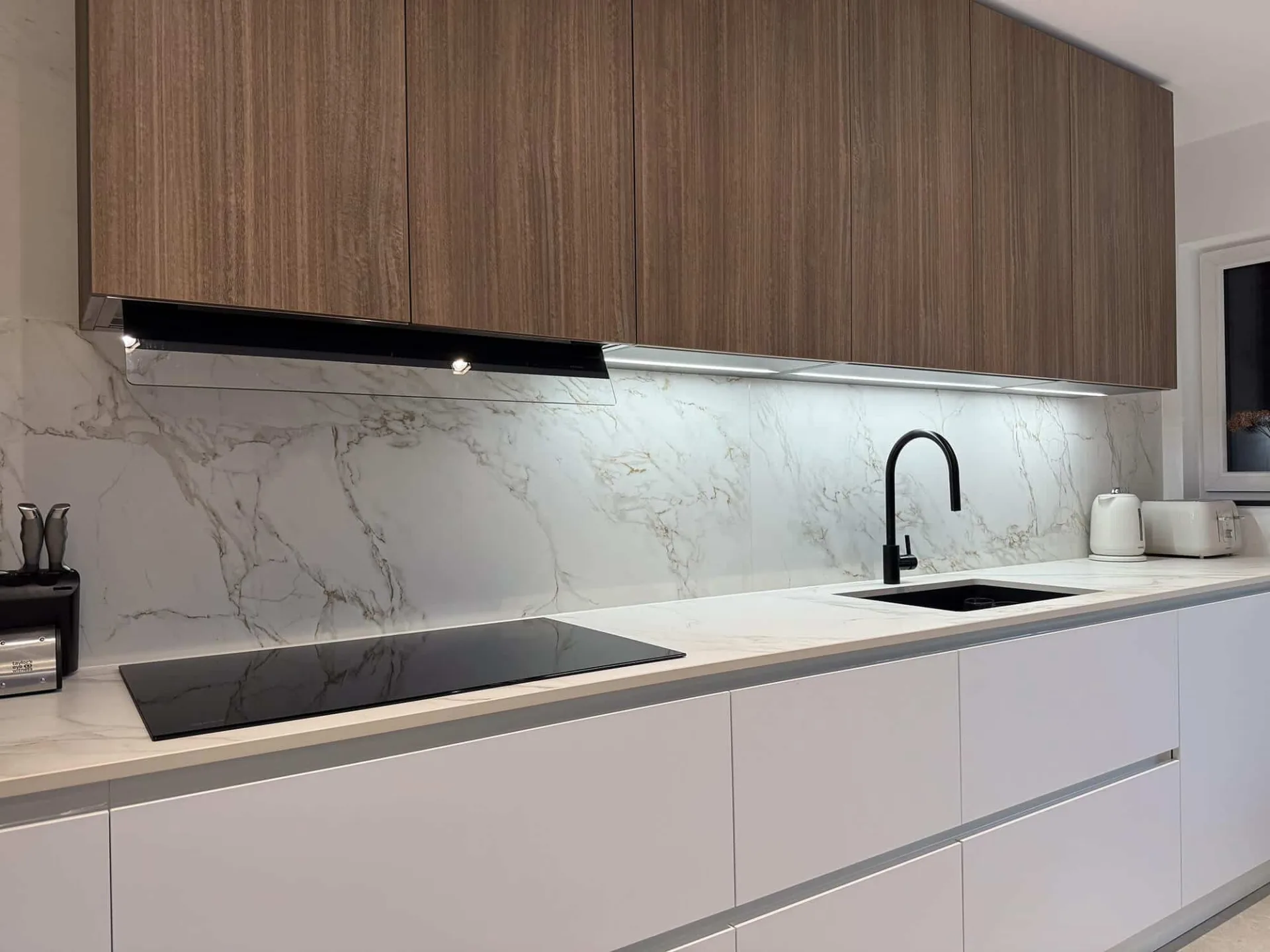
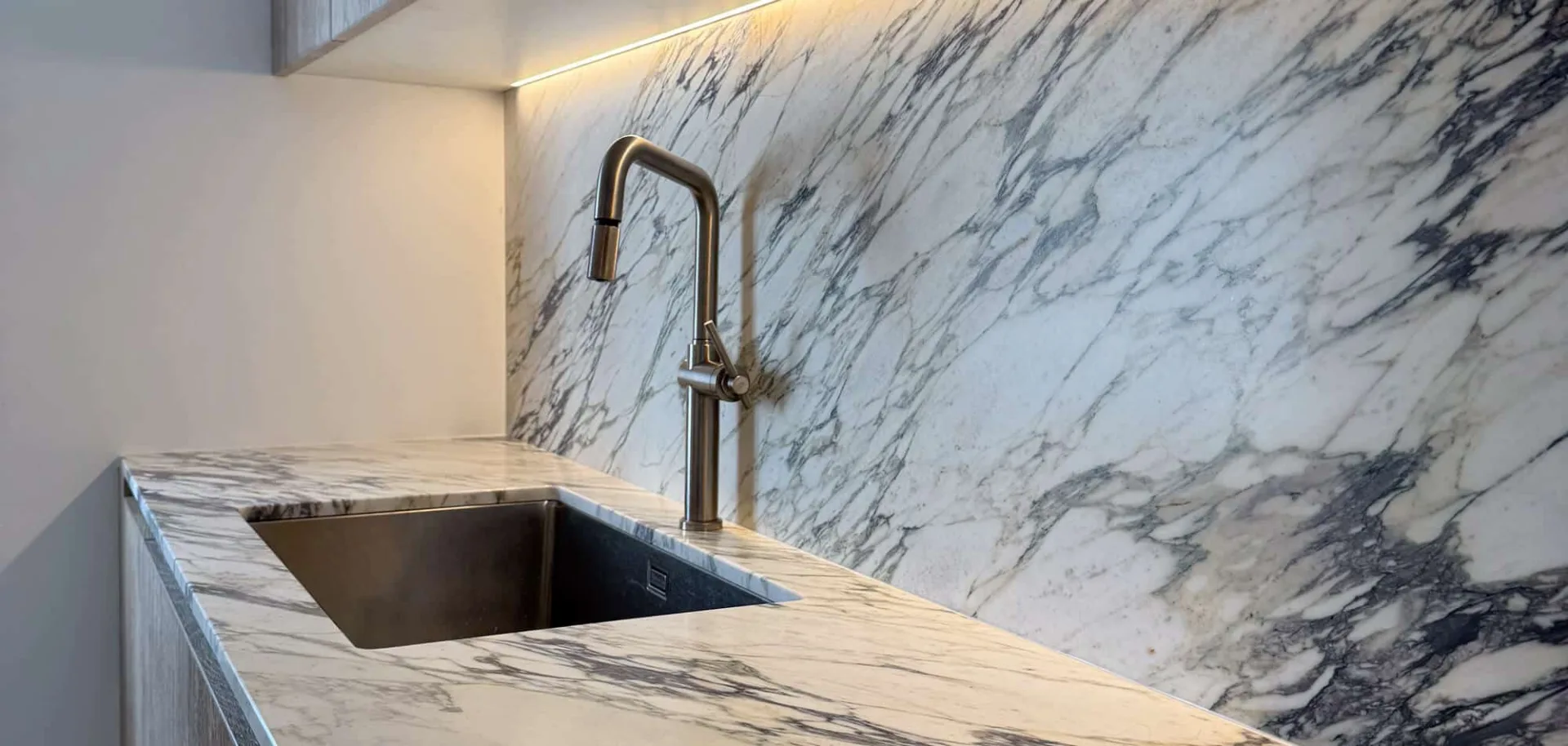
Marble remains a timeless natural stone, appreciated for its enduring beauty and unique veining characteristics. Each slab is a unique piece, with color variations and patterns that bring personality and prestige to the kitchen.
Among the most sought-after varieties, Calacatta stands out for its golden and grey veining on a luminous white background, perfect for elegant and refined kitchens. Marble offers a touch of understated luxury and pairs particularly well with contemporary classic environments.
However, marble requires more attention in maintenance compared to other materials. It is more porous and can be sensitive to stains, especially from acidic substances like lemon or wine. To maintain its beauty over time, using specific protective treatments and taking care in daily operations is advisable.
How to choose the right material
Choosing the ideal countertop depends on several factors: kitchen usage frequency, presence of children, priorities between aesthetics and practicality, and available budget. There is no perfect material for everyone, but rather the one most suited to your specific needs.
For heavily used kitchens and families with children, materials like Dekton or quartz agglomerate offer the best compromise between resistance and ease of maintenance. For those who prioritize aesthetics and seek a touch of exclusivity, marble represents a characterful choice. Fenix positions itself as an interesting option for modern and minimalist designs, while requiring some extra attention in daily use.
At Ideas Factory, we design custom kitchens in Luxembourg, accompanying our clients in selecting the most suitable material for their project. Our experience allows us to recommend solutions that balance practical needs, aesthetic preferences and budget, creating kitchens that remain beautiful and functional over time.